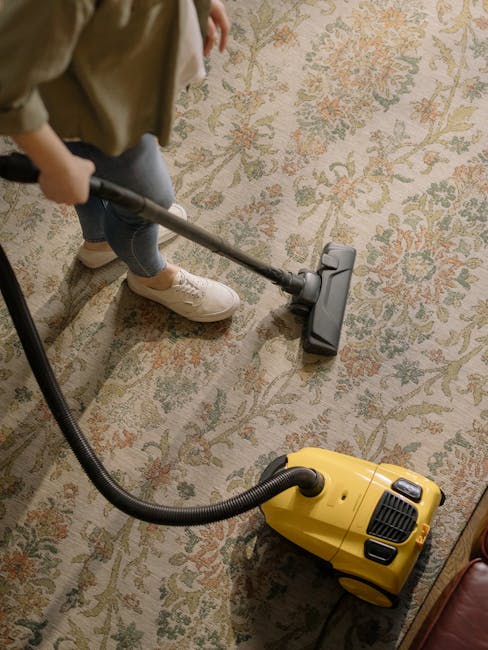
Carpet cleaning Electric Avenue Brixton Market guide
If you live, work, or rent near Electric Avenue and Brixton Market, carpet care tends to become one of those jobs you notice only when it has gone a bit too far. Foot traffic from the market, damp shoes on rainy London days, food spillages, and the general churn of busy shared spaces can make carpets look tired faster than you expect. This Carpet cleaning Electric Avenue Brixton Market guide walks you through what matters, how the process works, what to avoid, and how to decide whether you need a light refresh or a proper deep clean.
The good news? A well-cleaned carpet changes the feel of a room almost instantly. It can reduce odours, lift the look of a hallway, and make a flat or shop feel properly looked after again. And yes, sometimes the difference is so obvious you wonder why you waited so long. Let's get into it.
Table of Contents
- Why Carpet cleaning Electric Avenue Brixton Market guide Matters
- How Carpet cleaning Electric Avenue Brixton Market guide Works
- Key Benefits and Practical Advantages
- Who This Is For and When It Makes Sense
- Step-by-Step Guidance
- Expert Tips for Better Results
- Common Mistakes to Avoid
- Tools, Resources and Recommendations
- Law, Compliance, Standards, or Best Practice
- Options, Methods, or Comparison Table
- Case Study or Real-World Example
- Practical Checklist
- Conclusion
- Frequently Asked Questions
Why Carpet cleaning Electric Avenue Brixton Market guide Matters
Electric Avenue and Brixton Market sit in a part of London that is busy in a very real, everyday way. People move through quickly, deliveries happen, weather gets tracked indoors, and carpets pick up the story of all that activity. That matters because a carpet is not just decoration. It is one of the biggest soft surfaces in a property, which means it can hold dust, grit, pollen, spills, and lingering smells far longer than a hard floor.
In homes, a dirty carpet can make a room feel less cared for, even when everything else is tidy. In rental properties, it can become a sore point at the end of a tenancy. In offices or small businesses, it can affect first impressions. If a client walks in and notices stained carpet before they notice your signage, well, that says something you probably do not want it saying.
There is also a practical side. Dirt and grit can work down into fibres and act like sandpaper every time someone walks over them. Over time, that can flatten the pile and shorten the life of the carpet. Regular carpet cleaning is not just about appearances. It is about keeping the material in better condition for longer.
Expert summary: near a high-footfall area like Brixton Market, carpets usually need more attention than you would expect in a quieter residential street. The mix of moisture, grit, and daily wear builds up gradually, then suddenly looks obvious.
How Carpet cleaning Electric Avenue Brixton Market guide Works
Most professional carpet cleaning follows a fairly sensible sequence, even if the exact method changes depending on the carpet type and the level of soiling. The first step is usually inspection. A cleaner checks the fibre, backing, visible stains, wear patterns, and whether there are any delicate areas that need a lighter touch.
From there, the process usually includes vacuuming, spot treatment, and the main cleaning stage. For many carpets, hot water extraction is a common approach. That means a cleaning solution is applied and then extracted with powerful equipment, along with loosened dirt. It is often called steam cleaning in casual conversation, though in practice the process is more controlled than the name suggests.
Some carpets do better with lower-moisture methods. For example, a wool carpet or an older textile in a period property may need more careful handling than a synthetic carpet in a modern flat. The point is not to use the biggest machine possible. The point is to choose the right method for the fibres, the stains, and the drying conditions.
In a compact Brixton flat, drying time can matter just as much as cleaning strength. If windows are limited or the room is cool, a job can take longer to dry than expected. That is why a proper pre-check and a realistic aftercare plan are important. No one wants to walk on a damp carpet in socks and hear that slightly squelchy sound. Not ideal.
Key Benefits and Practical Advantages
A good carpet clean can do far more than brighten the room. The benefits are practical, and in a place with as much movement as Electric Avenue, they add up quickly.
- Better appearance: colour looks fresher, fibres stand up more evenly, and dull traffic lanes are less obvious.
- Improved odour control: food smells, pet odours, and general stale air can be reduced when the source grime is removed.
- Longer carpet life: removing embedded grit reduces wear on the fibres.
- More comfortable underfoot: clean carpets simply feel better, especially in living rooms and bedrooms.
- Better presentation for lettings or sales: a cleaner floor helps the whole property feel more move-in ready.
- Health and hygiene support: while carpet cleaning is not a medical treatment, removing built-up debris can improve the overall cleanliness of a space.
There is also a psychological benefit people often underestimate. A clean carpet can make a property feel calmer. That sounds a bit soft, maybe, but it is true. When the floor looks clean, the whole room tends to feel less cluttered and more settled.
If you are managing more than one surface in a property, it can also be useful to pair carpet care with deep cleaning for the rest of the home or with domestic cleaning if you want a broader tidy-up rather than just a floor-only refresh.
Who This Is For and When It Makes Sense
This guide is useful if you are a tenant, homeowner, landlord, letting agent, shop owner, office manager, or simply someone trying to keep a busy property looking decent. In practice, carpet cleaning becomes especially sensible when one of these situations comes up:
- the carpet has visible traffic lanes or dull patches
- there has been a spill that home cleaning has not fully resolved
- the room has a lingering smell after pets, cooking, or smoke exposure
- you are preparing for an end of tenancy inspection
- you want to freshen a property before guests, clients, or family visit
- there has been renovation dust or post-project debris
If you have just finished a project, it may also make sense to combine floor care with after builders cleaning, because dust from works can settle into fibres surprisingly fast. You notice it most when the morning light comes in and all the little particles suddenly show themselves. Bit rude of the dust, really.
For businesses, carpets near entrances and reception areas tend to age quicker than carpets in back offices. For households, hallways, stairs, and living rooms are usually the first places to show wear. So if you are deciding where to start, begin with the highest-traffic zones. That is where the payoff is most obvious.
Step-by-Step Guidance
Here is a practical, no-nonsense way to approach carpet cleaning near Electric Avenue and Brixton Market.
- Assess the carpet honestly. Look at the colour, fibre type, stain pattern, and wear level. If you are unsure what the carpet is made from, that is worth finding out before you apply anything wet.
- Vacuum thoroughly. Remove loose grit, crumbs, hair, and dust first. Skipping this step just turns dry dirt into muddy dirt. A classic mistake.
- Test a hidden area. Any cleaner, even a mild one, should be tested in a discreet spot. That small pause can save a much bigger headache later.
- Treat stains separately. Grease, wine, coffee, and pet accidents all behave differently. One product does not solve everything, despite what the bottle might imply.
- Choose the right cleaning method. A robust synthetic carpet may suit hot water extraction, while a delicate or water-sensitive carpet may need a gentler method.
- Control moisture. Too much water can leave carpets slow to dry and may create musty smells. Better to work carefully than soak the whole thing.
- Allow proper drying time. Open windows if weather allows, use ventilation, and avoid heavy foot traffic until the carpet is dry.
- Recheck the results. When the carpet is fully dry, look again in daylight. Sometimes a patch that looked gone while damp reappears slightly once dry.
That final step is easy to forget, by the way. A carpet can look finished at 4 p.m. and tell a different story at 9 a.m. the next day.
Expert Tips for Better Results
Here is where a bit of experience makes a real difference.
- Work from the edges inward. It helps prevent re-soiling clean areas as you move around.
- Use less product than you think. Over-wetting is one of the quickest ways to leave residue behind.
- Pay attention to the entry point. The area by the front door usually takes the most punishment, especially in wet weather.
- Deal with spills quickly. The earlier you blot a spill, the easier it usually is to lift.
- Mind the carpet pile. Brushing or grooming the fibres after cleaning can improve the finish.
- Plan around daily life. If the room is a main walkway, schedule the clean when you can keep people out for a while. Otherwise you are just inviting fresh footprints. Not the point.
If the property also includes upholstery that collects the same day-to-day grime, it may be worth looking at upholstery cleaning or even sofa cleaning at the same time. Matching the freshness level across the room tends to make the results feel more complete.
One more small tip: if the carpet has a strong smell before cleaning, do not assume the smell will vanish automatically once the visible dirt is removed. Sometimes odours sit deeper in the backing or are tied to underlay issues. That is when a careful inspection matters more than a flashy sales pitch.
Common Mistakes to Avoid
Most carpet cleaning problems come from rushing, using the wrong product, or assuming that more effort always means better results. It does not.
- Using too much water: carpets can stay damp for too long, and the room may smell stale.
- Scrubbing aggressively: this can damage fibres and spread the stain.
- Ignoring fibre type: wool and synthetic carpets do not always react the same way.
- Skipping pre-vacuuming: dry grit needs to come out first.
- Using household cleaner blindly: what works on one stain may fix another in the worst possible way.
- Walking on the carpet too soon: this can flatten fibres and re-mark the surface.
- Forgetting ventilation: drying without airflow is slower and can leave a lingering dampness.
Another mistake, especially in rented homes, is leaving carpet care until the final week before moving out. If the carpet has years of wear, one rushed clean rarely solves everything. A better plan is to inspect early, treat problem spots first, and leave enough time for drying and follow-up if needed.
Tools, Resources and Recommendations
You do not need a van full of equipment to maintain carpets properly, but having the right basics helps a lot.
Useful tools and materials:
- a reliable vacuum with a good filter
- microfibre cloths or plain white towels for blotting
- a carpet grooming brush or soft pile brush
- spot treatment made for the fibre type
- fans or open windows for drying support
- protective pads or mats for heavy-use entry points
For more involved jobs, it is sensible to use a professional carpet cleaner rather than trying to improvise with rented equipment that you are not fully comfortable using. The machine is only part of the result; knowing how to use it without flooding the room matters just as much.
If you are comparing broader cleaning support, a trusted cleaning company can often help coordinate different tasks around the same visit, which is handy when you are already juggling work, family, or move-out deadlines. A good company should also be clear about pricing and quotes, because hidden extras are nobody's favourite surprise.
Law, Compliance, Standards, or Best Practice
For carpet cleaning in London, the biggest compliance issues are usually practical rather than dramatic. You want safe working methods, careful handling of cleaning agents, and sensible treatment of the property. If a cleaner is coming into your home or business, it is reasonable to expect them to follow sound health and safety practice, use equipment responsibly, and avoid causing damage.
If you are hiring a contractor, ask about insurance and safety arrangements. That is not being difficult; that is being sensible. The answer should be straightforward, not vague. A reputable provider should also be able to explain its insurance and safety approach, as well as its health and safety policy if needed.
For customers, trust also comes from clarity around payments, service terms, cancellations, and complaint handling. Those details may not be exciting, but they matter when something needs fixing or clarifying. It is also good practice to check that your expectations match the service description before the job begins. That saves a lot of awkwardness later.
Environmental care is another practical standard. Many customers now prefer cleaning methods and products that are used thoughtfully, not wastefully. If sustainability matters to you, have a look at the company's recycling and sustainability position and ask what happens to wastewater, packaging, and disposables.
Options, Methods, or Comparison Table
Different carpet cleaning methods suit different goals. Here is a simple comparison to help you think it through.
| Method | Best for | Pros | Things to watch |
|---|---|---|---|
| Hot water extraction | General deep cleaning, traffic lanes, soiling | Strong dirt removal, fresh finish, widely used | Longer drying time if overused or poorly ventilated |
| Low-moisture cleaning | Delicate rooms, quicker turnaround | Faster drying, less disruption | May be less suited to heavily embedded dirt |
| Spot cleaning | Small spills and isolated stains | Fast, targeted, simple | Can leave marks if used without proper testing |
| Maintenance vacuuming | Weekly or frequent upkeep | Prevents grit build-up, supports carpet life | Won't remove deep staining on its own |
If your carpet is generally fine but just looks tired in the entrance or along the main walking route, a lighter method may be enough. If it has deeper grime or has not been cleaned for a long time, a proper extraction clean is often the better call. To be fair, the right choice usually becomes obvious once you see the carpet in daylight and not under a warm lamp at 8 p.m. pretending everything is fine.
Case Study or Real-World Example
Consider a typical Brixton flat near Electric Avenue: two bedrooms, one hallway, a living room, and a lot of daily in-and-out movement. The hallway carpet is the first problem area. It has darkened slightly where people naturally walk, and there is a faint odour after wet weather. The living room has one old coffee mark near the sofa and a general flatness in the pile.
In a case like that, a good approach would be to vacuum first, treat the coffee mark separately, and then clean the hallway and living room with the right moisture level for the carpet type. After drying, the hallway usually looks brighter straight away, while the living room feels less heavy. Nothing miraculous. Just that pleasant sense that the room has had a proper reset.
Now, if the same property also had heavy dust from decorating or recent repairs, a cleaner might suggest pairing the carpet work with one-off cleaning or even end of tenancy cleaning if the timing fits a move-out. That is where planning matters: one focused visit can solve several problems at once, rather than tackling each issue separately over several weekends.
Practical Checklist
Use this checklist before, during, or after the clean.
- Check the carpet fibre and condition
- Vacuum slowly and thoroughly
- Test cleaning product in a hidden area
- Treat stains before the full clean
- Keep moisture under control
- Ventilate the room well
- Keep people and pets off the carpet until dry
- Inspect the results in daylight
- Ask for clarification if any patch still looks uneven
- Store leftover care notes for next time
If you are cleaning more than one area, you might also need related support such as rug cleaning or window cleaning so the room feels finished rather than half-done. That small extra step often makes the whole place feel sharper.
Practical takeaway: the best carpet cleaning near Brixton Market is not about doing everything at once. It is about choosing the right method, using the right amount of moisture, and giving the carpet time to dry properly.
Conclusion
Carpets around Electric Avenue and Brixton Market deal with more wear than many people realise. That is why a thoughtful cleaning approach matters. Not just for appearance, but for comfort, durability, and the overall feel of the property. Whether you are looking after a home, a rental, or a business space, the basics stay the same: inspect first, clean carefully, dry properly, and avoid the usual shortcuts.
Truth be told, a carpet rarely needs drama. It needs consistency. A good clean at the right time can save money, lift the room, and make day-to-day life feel a little easier. And that is usually the real goal.
If you want help planning your next clean or comparing your options, start with a clear conversation about the carpet type, the stains you can see, and how quickly you need the room back in use. That's the sensible bit, and it pays off.
Get a free quote today and see how much you can save.
Frequently Asked Questions
How often should carpets be cleaned near Brixton Market?
It depends on traffic, footwear, pets, and whether the property is residential or commercial. In a busy area like this, high-use carpets often need more regular attention than a quiet home elsewhere. If the hallway looks dull or the carpet starts holding smell, it is usually time.
What is the best carpet cleaning method for busy London homes?
For many synthetic carpets, hot water extraction works well because it removes embedded dirt effectively. But the best method always depends on the fibre and the carpet's condition. Delicate or older carpets may need a lower-moisture approach.
Will carpet cleaning remove old stains?
Sometimes yes, sometimes partly, and sometimes not completely. Older stains may have already bonded with the fibre or backing. A good cleaner will usually give you a realistic expectation after inspecting the carpet.
How long does a carpet take to dry after cleaning?
Drying time varies based on moisture level, airflow, room temperature, and carpet type. A room with good ventilation will usually dry faster. If you have only one main hallway, try to keep foot traffic off it until it is fully dry.
Can I clean wool carpets the same way as synthetic carpets?
Usually not. Wool needs a more careful approach because it reacts differently to water, heat, and certain chemicals. Always check the fibre before choosing a method. This is one of those details that sounds small but really is not.
Is professional carpet cleaning worth it for tenants?
Yes, often it is. If you are moving out, a proper clean can help the property present well and reduce the risk of disputes over dirt or wear. It is especially useful if the carpet has visible traffic lanes or old marks.
What should I do before a carpet cleaner arrives?
Vacuum if you can, move small items off the floor, point out stains or problem spots, and make sure access is clear. If pets or children are in the property, plan where they will be during and after the clean.
Can carpet cleaning remove pet smells?
Often it can reduce them a lot, especially when the odour comes from surface dirt or old spills. If the smell is deeper in the underlay or backing, more investigation may be needed. That is the honest answer, and usually the best one.
Do I need carpet cleaning after builders work?
It is often a good idea. Dust from sanding, plastering, or decorating can settle into carpet fibres and dull the look of the room. If the works were messy, combining carpet care with after builders cleaning can be a smart move.
How can I keep carpets cleaner for longer?
Use mats at entrances, vacuum regularly, blot spills quickly, and avoid dragging in grit on wet shoes. A little maintenance goes a long way. Nothing glamorous, but very effective.
Should I book carpet cleaning with other cleaning services?
If the whole property needs attention, yes, that can be efficient. For example, combining floor care with house cleaning or office cleaning can make the space feel properly refreshed in one visit.
What if my carpet still looks patchy after cleaning?
Sometimes fibres dry differently in shaded or worn areas, and some stains may reappear slightly once dry. A follow-up check in daylight is the best way to judge the result. If something still looks off, it is worth raising it promptly rather than assuming it will settle on its own.